As skin ages, it gradually loses elasticity, firmness, and moisture. This process is influenced by oxidative stress, inflammation, sun exposure, and the breakdown of structural proteins in the skin. In addition, certain enzymes naturally present in the skin contribute to the breakdown of collagen, elastin, and other structural components involved in skin firmness and smoothness.
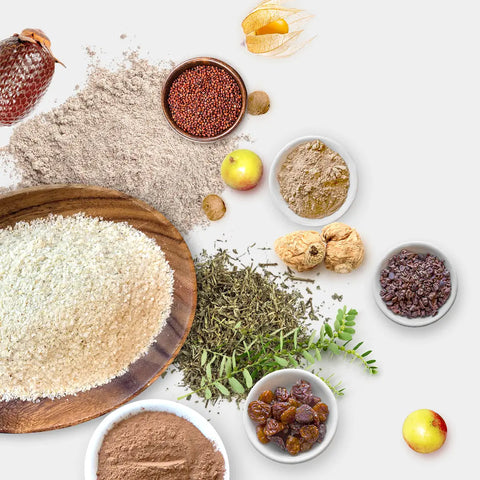
Because of growing interest in plant-based skincare ingredients, researchers have been studying fruits rich in protective phytochemicals. One fruit receiving attention is goldenberry, a tropical fruit native to South America known for its bright color and citrus-like flavor. In this study, scientists focused on the calyx, the papery outer covering of the fruit that is often discarded during processing.
The Study
Researchers prepared an extract from goldenberry calyces and analyzed its chemical composition using advanced metabolic profiling techniques. They identified 19 compounds, mainly flavonoids, withanolides, and phenolic acids, groups of plant compounds known for their antioxidant properties.
The extract was then tested against four enzymes associated with skin aging: elastase, collagenase, hyaluronidase, and tyrosinase. These enzymes are linked to loss of elasticity, collagen breakdown, dehydration, and uneven pigmentation. Researchers also conducted molecular docking simulations to better understand how the identified compounds could interact with these enzymes.
The Results
The goldenberry calyx extract showed promising inhibitory activity against all four enzymes tested. These findings suggest that the compounds naturally present in goldenberry may help protect important components involved in skin firmness, hydration, and elasticity.
The molecular modeling results supported the laboratory findings, showing favorable interactions between several goldenberry compounds and the targeted enzymes. Researchers also reported good safety results during testing. Flavonoids and withanolides appeared to contribute strongly to the observed effects.
What Does this Mean?
This study suggests that goldenberry calyces are rich in skin-supporting compounds that target enzymes associated with wrinkles, loss of elasticity, and uneven pigmentation. The findings are particularly interesting because the calyx is a non-edible part of the plant that is typically discarded, suggesting it may have untapped value as a source of skincare ingredients.
The results also support growing scientific interest in plant-based compounds such as flavonoids and withanolides for cosmetic and skincare applications. However, because this was a laboratory and computer-based study, human clinical trials are still needed to better understand the potential benefits of goldenberry extracts in skincare formulations.
Other plants studied for similar skin-supporting properties include green tea, pomegranate, turmeric, and rosemary.