Animal protein is often considered the better choice for building muscle, but studies of individual protein sources may not tell the whole story.1 Everyday diets include a variety of foods whose combined effects deserve a closer look. A 2025 study from the University of Illinois Urbana-Champaign examined whether a vegan diet could support muscle protein renewal during weight training as effectively as a diet containing animal foods.
The Study
The randomized controlled trial involved 40 healthy, physically active adults aged 20-40 who usually ate omnivorous diets. They had experience with resistance exercise but were not regularly strength training when recruited.
After a seven-day preparation period, participants followed one of four controlled diets for nine days. All meals were provided, with enough calories to maintain body weight and 1.1-1.2 grams of protein per kilogram daily (approximately 77-84 grams for a 70-kilogram adult). Half ate vegan meals, while the others received meals containing plant and animal foods.
Within each diet, protein was either divided evenly across five eating occasions or spread across three meals, with 60% consumed at dinner. Participants completed three supervised whole-body workouts. A tracer technique and muscle biopsies measured the production of muscle proteins involved in contraction.
The Results
Muscle protein synthesis, which is the process of making new proteins to repair and renew muscle tissue, did not differ significantly between the vegan and omnivorous diets. Eating protein evenly across five occasions also offered no detectable advantage over the three-meal pattern.
The researchers suggest that resistance exercise may have helped muscles use protein effectively from both diets. Their findings also show why responses to a single protein serving may not reflect those of an entire eating pattern.
What Does this Mean?
For young, active adults, a varied well balanced vegan diet can support muscle protein renewal during resistance training as well as animal protein. The findings also suggest that people may have some flexibility in choosing when to eat their protein, without needing to divide it evenly across meals.
While these results are promising, more trials are needed to determine whether vegan and omnivorous diets lead to similar gains in muscle size and strength in the long-term.
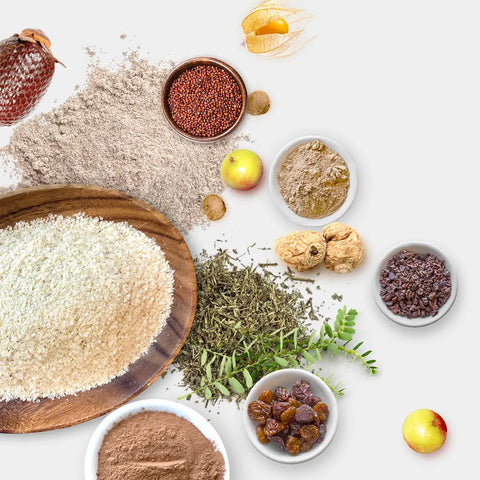
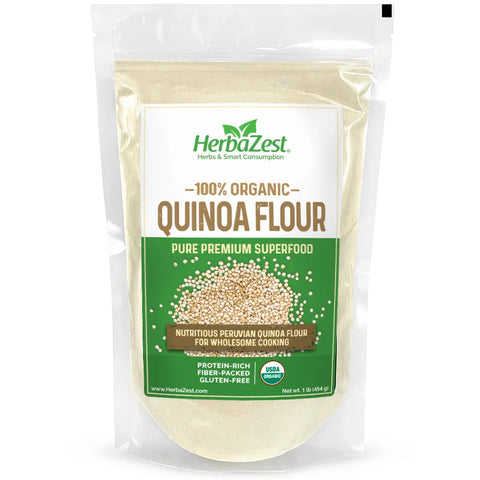
For everyday meals, beans, lentils, sacha inchi, quinoa, and amaranth are examples of plant foods that can contribute protein to a varied diet.