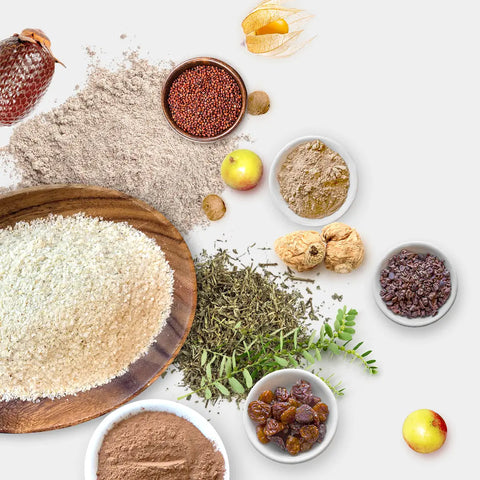
Most of us rely on the same familiar fruits each week, with apples, strawberries, and bananas regularly filling our shopping carts. Yet beyond these everyday favorites lies a remarkable variety of fruits shaped by centuries of tradition, regional climates, and culinary heritage. For anyone looking for new fruits to try, exploring fruits from around the world offers an easy way to experience new flavors while deepening their appreciation for global food cultures.
South America's Ancient Fruits
South America is one of the world's richest regions for fruit diversity. Long before modern agriculture, Indigenous communities cultivated native fruits that remain an important part of local cuisine today.
Lucuma
One of Peru's most treasured fruits is lucuma, which has been grown in the Andes since before Incan times.1 It has a naturally creamy texture and mild sweetness with caramel-like notes and is commonly blended into smoothies and desserts in its native land. While the fresh fruit is rarely available outside its growing region, lucuma powder is the next best thing for smoothies, ice cream, and treats like this lucuma mango pudding.
Cherimoya
Another Andean specialty is cherimoya, sometimes called the “custard apple” because of its soft, creamy flesh. Its sweet flavor is often described as a blend of banana, pineapple, pear, and vanilla. Cherimoya is typically eaten fresh with a spoon once fully ripe and is occasionally available at specialty markets and farmers' markets in the United States, particularly in California.
Camu Camu
One of the richest natural sources of vitamin C, camu camu is steadily gaining recognition around the world. Native to the Amazon rainforest, these red berries have a naturally tart flavor and are traditionally used in juices and other beverages. While fresh berries are rarely available outside their growing region, camu camu powder helps preserve their nutritional richness while offering the added benefit of a longer shelf life.
Passion Fruit
In tropical regions across South America, passion fruit is prized for its fragrant aroma and pleasantly tart pulp. Its bright flavor makes it a favorite for juices, desserts, sauces, and refreshing beverages like this passion fruit soursop leaf iced tea. Fresh passion fruit is increasingly available in many U.S. supermarkets, while frozen pulp offers a convenient alternative for enjoying its tropical taste year-round.
Asia's Treasured Fruits
Across Asia, many traditional fruits are appreciated not only for their flavors but also for their distinctive textures. From creamy and delicate to crisp and juicy, these fruits play an important role in the region's cuisines and are becoming increasingly accessible elsewhere.
Mangosteen
Native to Southeast Asia, mangosteen is widely known as the “queen of fruits.” Beneath its thick purple rind are delicate white segments with a sweet, juicy flavor balanced by gentle acidity. Although it remains a specialty fruit in the United States, fresh mangosteen can sometimes be found at Asian markets and select specialty grocery stores when in season.
Persimmons
Cultivated throughout East Asia for centuries, persimmons are now widely grown in California and increasingly available across the United States. Fuyu persimmons are crisp and sweet enough to eat like an apple, while Hachiya persimmons become exceptionally soft and custard-like when fully ripe. Both varieties are enjoyed fresh and also shine in salads, preserves, and baked goods like this persimmon pie.
Jackfruit
Another fruit worth trying is jackfruit, the largest tree-borne fruit in the world. Ripe jackfruit has a sweet, tropical flavor reminiscent of mango, pineapple, and banana, while the unripe fruit has a firm texture that readily absorbs seasonings, making it a popular plant-based substitute for pulled pork and other shredded meat dishes. Outside Asia, jackfruit is mostly available canned or frozen, although the fresh fruit can be found in some specialty markets.
Other Regional Fruits Worth Trying
Every continent has fruits closely tied to its culinary traditions, including distinctive varieties that have nourished local communities and shaped regional dishes for generations.
- Baobab. Across parts of Africa, the fruit of the iconic baobab tree has long been used to prepare refreshing beverages and porridges. It has a naturally tart flavor and is rich in vitamin C, fiber, and essential minerals.
- Finger Lime. Known as “citrus caviar,” finger lime contains tiny, juice-filled pearls that burst with bright citrus flavor. Native to Australia, it is a popular garnish for seafood, salads, desserts, and cocktails.
- Quince. Rarely eaten raw because of its firm, tart flesh, quince develops a fragrant sweetness when cooked. It has long been used in jams, preserves, and the traditional quince paste known as membrillo, which is enjoyed throughout Spain and many Mediterranean countries.
Whether enjoyed fresh, frozen, dried, or powdered, fruits from around the world offer more than new flavors. They provide a simple way to experience the culinary traditions and natural diversity of different regions, sometimes with nothing more than one unfamiliar fruit added to your shopping list.