The last few weeks of the year are packed with celebrations, and sharing a meal is often at the heart of them. With so many favorites on the table, it's easy to eat more than we usually do. A few small changes to how we prepare those dishes and what we serve alongside them can make holiday meals more nourishing while keeping the flavors we look forward to all year.
Make Small Changes to Familiar Dishes
Start with the recipes you already plan to serve. The ingredients that give a dish its character are worth keeping. If the Parmesan is what everyone loves about the mashed potatoes, keep it and make an adjustment elsewhere.
- For stuffing, keep the sautéed onions, celery, and herbs that give it its familiar flavor. Use whole-grain bread for some or all of the bread to add fiber.1
- When making pilaf, try brown rice for a chewier bite or quinoa for a lighter texture.
- Toss a handful of dried goldenberries into a salad or grain dish for a pop of tartness. They work especially well in recipes that call for cranberries or raisins.
- If you'd like a plant-rich main dish, try a mushroom lentil stromboli.
- Roast vegetables in olive oil to add unsaturated fats, then finish them with a squeeze of lemon or a handful of fresh herbs.
Choose Sides That Complement the Meal
Side dishes are a good place to add variety to the holiday table. Think about what would go well with the dishes you already have planned. Aim for a mix of flavors and textures that makes each dish a little more enjoyable alongside the others.
- Grain dishes bring different textures to the table. Try turmeric couscous, a sliceable brown rice loaf with spinach and mushrooms, or quinoa fried rice.
- Salads offer a fresh contrast to creamy casseroles. Try arugula pomegranate salad, crispy rice cucumber salad, or smashed potato salad.
- Roasted vegetables bring browned edges and a little crunch to a plate of softer sides. Try Parmesan-crusted Brussels sprouts, chimichurri roasted potatoes, or sweet potato stacks with thyme. These stuffed onions also make an attractive side when served individually.
- Casseroles made with sweet potatoes or green beans are holiday classics. If you're already serving mashed potatoes, a green bean casserole adds a different vegetable to the spread.
- Bread and rolls are perfect for mopping up gravy or sauce. Serve amaranth pumpkin bread rolls, cheese and olive scones, or rosemary and walnut focaccia warm so guests can tear off a piece as they eat.
Bake With Flavor and Texture in Mind
For many of us, dessert is the part of the holiday meal we look forward to most. If there's a pie everyone asks for every year, give it a place on the table. For the rest of the spread, small changes can bring something new to each bite.
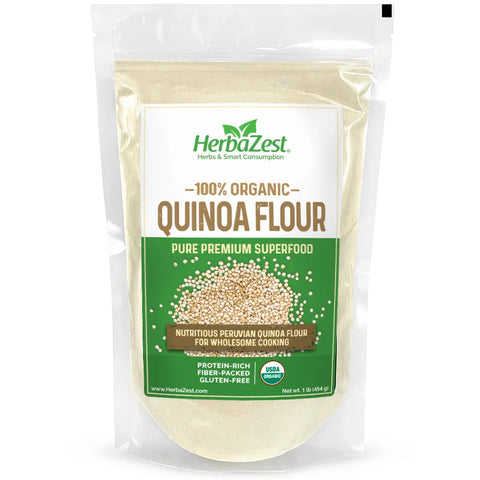
- Replace a portion of the all-purpose flour with quinoa flour or another gluten-free flour in cakes and pies.
- Fold chopped nuts, seeds, and dried fruit into cakes or quick breads for a little crunch, chewiness, and extra fiber.2
- Use maple syrup, blended dates, or another natural sweetener to add flavor and sweetness to treats.
For a dessert you can slice and share, try a persimmon pie, nutty bread with dried goldenberries, and a sweet potato pie. To put together a dessert platter, add half dome carrot cakes or apple cinnamon scones with lucuma yogurt glaze. If ice cream is a holiday favorite, spoon it over warm quinoa almond cake or amaranth peach crumble.
>Key Takeaways- Make room for the dishes everyone looks forward to. The Parmesan mashed potatoes and the pie your family asks for every year are part of what makes the meal feel like a celebration.
- Make small changes where they fit. Try whole-grain bread in your favorite stuffing or add a little quinoa flour to a fruit cake. Keep the seasonings and textures you already love.
- Let the sides round out the meal. A crisp salad, a warm grain dish, or a platter of roasted vegetables can bring more variety and nourishment to the table alongside your holiday favorites.