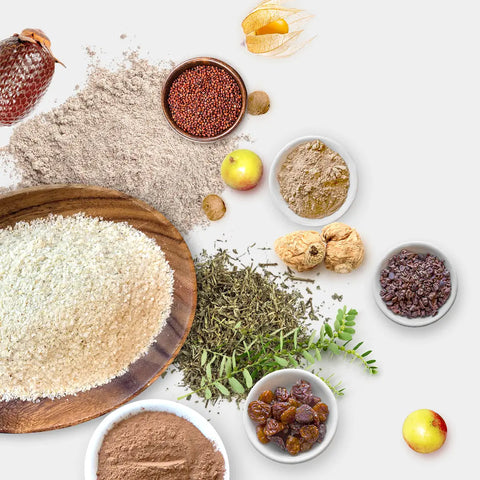
As interest in plant-based foods continues to grow, researchers are exploring new ingredients that can help create nutritious alternatives to meat. While many plant-based meat products rely heavily on soy, wheat, or pea protein, scientists are increasingly looking at traditional crops that offer unique nutritional and functional benefits. Two such crops are kaniwa, a protein-rich Andean pseudocereal, and tarwi (Andean lupin), an ancient legume known for its high protein content.
The Study
Researchers from Peru investigated whether tarwi flour and kaniwa flour could be used to produce high-moisture meat analogues, which are plant-based products designed to mimic the texture and appearance of meat. The flours were combined with pea protein isolate and processed using high-moisture extrusion, a technology commonly used to create fibrous, meat-like structures.
The study tested 12 formulations containing different proportions of kaniwa and tarwi, along with varying extrusion conditions. The resulting products were evaluated for their texture, structure, nutritional composition, amino acid profile, and antioxidant capacity.
The Results
The researchers found that certain combinations of kaniwa and tarwi produced plant-based meat analogues with fibrous textures resembling those of conventional meat. Two formulations performed particularly well, creating products with cohesive, meat-like structures and desirable texture characteristics.
The meat analogues contained approximately 39-40 grams of protein per 100 grams, significantly higher than the protein content reported for beef and chicken in the study's comparison data. The products also provided a balanced amino acid profile, with tarwi contributing lysine and kaniwa helping improve levels of sulfur-containing amino acids.
Kaniwa appeared to promote softer textures and contributed substantial antioxidant activity, while tarwi increased hardness, chewiness, and cohesiveness. The formulation containing more kaniwa also showed considerably higher antioxidant capacity.
What Does this Mean?
The study suggests that lupin and kaniwa can be valuable ingredients in plant-based meat products. Together, they complement each other nutritionally and functionally, helping create foods that are rich in protein while developing textures that more closely resemble meat.
Beyond plant-based meats, the findings highlight how traditional Andean crops can contribute to modern food development. Incorporating ingredients such as kaniwa and tarwi into food products may help the consumers diversify protein sources while adding more nutrients and variety to everyday meals.
Other protein-rich plants being studied for similar applications include quinoa, amaranth, fava beans, and chickpeas.