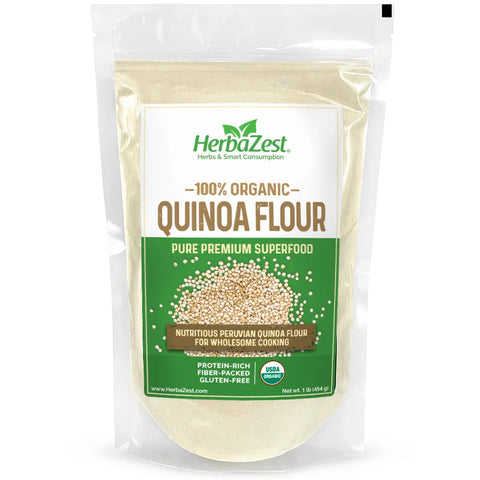
Cookies are a favorite treat, but many recipes contain more sugar and refined flour than we would like. Making adjustments, like cutting down on sugar or using gluten-free flours, can improve their nutritional profile, yet the results sometimes fall short on flavor or texture. A 2025 study published in Food Production, Processing and Nutrition explored whether partially replacing wheat flour with quinoa flour and reducing sugar could produce cookies that people would still enjoy.
The Study
Researchers from Peru and Brazil prepared seven versions of shortcrust cookies: a conventional wheat flour recipe and six variations replacing 15% or 30% of the wheat flour with quinoa flour while reducing sugar by 10%, 20%, or 30%.
They measured nutritional composition, antioxidant activity, color, and texture. Twenty trained assessors evaluated sensory characteristics, while 100 adults who regularly ate cookies rated how much they liked each version.
The Results
The most successful reformulation combined 15% quinoa flour with 10% less sugar. It received an average liking score of 6.33 out of nine, close to the conventional cookies' score of 6.46.
Larger changes were less appealing. Cookies combining 30% quinoa flour with 20% or 30% less sugar received lower ratings, reflecting changes in sweetness, darkness, and crumbliness. Quinoa-containing cookies also required less force to break and generally spread less during baking.
The nutritional analysis revealed that polyphenols, plant compounds with antioxidant properties, were highest with 30% quinoa flour and 10% less sugar. Antioxidant activity was strongest with 15% quinoa flour and a 20% sugar reduction. Protein and fat content did not differ significantly from those of the conventional cookies.
What Does this Mean?
The findings show that adding quinoa flour to cookies and slightly reducing sugar can preserve enjoyable taste and texture. Quinoa flour also increased the cookies' antioxidant content, with levels varying according to the proportion of flour added and the amount of sugar used.
For home bakers looking to make their treats more nutritious, a practical starting point is to replace about 15-20% of the wheat flour with quinoa flour, then adjust based on the results. Exploring natural alternatives to refined sugar offers another way to adapt recipes, keeping in mind that different sweeteners can affect sweetness, moisture, and texture.1
Amaranth, kaniwa, buckwheat, and chickpea flours offer more ways to bring variety and nutrients to baked favorites.