Cat's Claw
Uncaria tomentosa
Amazonian Medicinal Vine • Anti-Inflammatory • Immune-Supporting
Named for its distinctive claw-shaped thorns, cat’s claw has been used in Amazonian herbal traditions for centuries and remains one of South America’s most recognized medicinal plants.

Origin

Traditional Uses

Botanical Type

History & Tradition

Nutrients & Compounds

Herbal Versatility
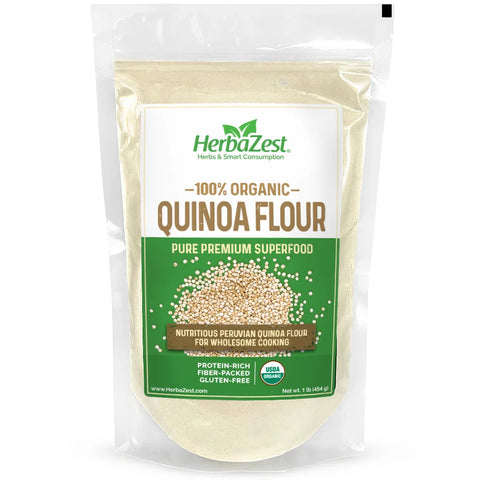
Cooked Quinoa May Offer Metabolic Benefits
A 2026 study suggests that cooked quinoa may support steadier blood sugar levels and greater...

Expanding Your Fruit Basket: Flavors from Around the World
Discover new fruits to try from around the world, along with their unique flavors, culinary...