Lemon Verbena
Aloysia citrodora
South American Medicinal Herb • Digestive Support • Calming Properties
Renowned for its bright citrus aroma, lemon verbena has long been valued in South American herbal traditions and later became a beloved culinary and medicinal herb around the world.

Origin

Traditional Uses

Botanical Type

History & Tradition

Nutrients & Compounds

Herbal Versatility
HerbaZest Lemon Verbena Products


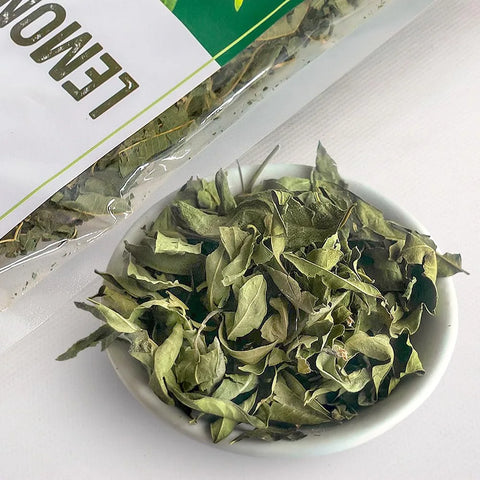
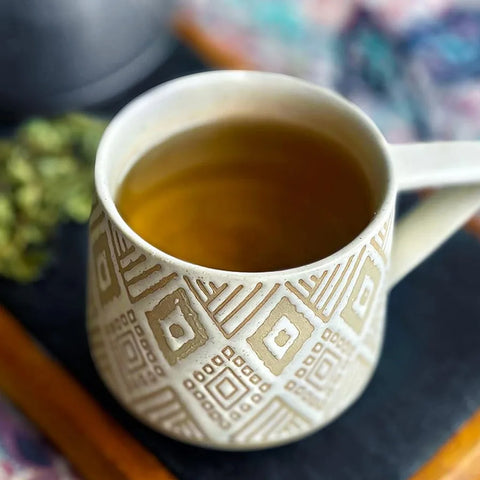
Lemon Verbena Tea
Size
Regular price
$17.95
Cooked Quinoa May Offer Metabolic Benefits
A 2026 study suggests that cooked quinoa may support steadier blood sugar levels and greater...

Expanding Your Fruit Basket: Flavors from Around the World
Discover new fruits to try from around the world, along with their unique flavors, culinary...