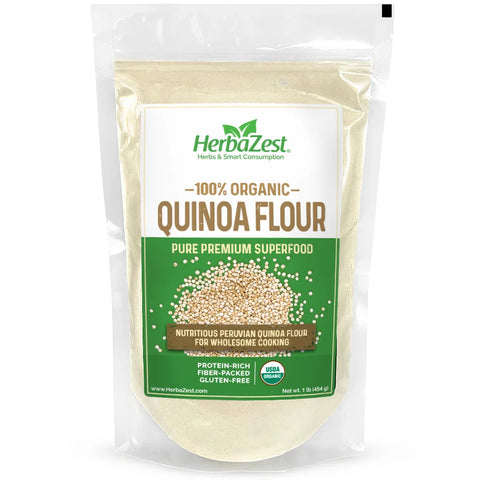
Carob
Ceratonia siliqua
Naturally Sweet Superfood • Fiber & Antioxidants • Caffeine-Free
Known for its naturally sweet pods, carob has been cultivated around the Mediterranean for thousands of years and remains valued as a nourishing food and traditional remedy.

Origen

Usos tradicionales

Tipo botánico

Historia y tradición

Nutrientes y compuestos

Versatilidad culinaria
Productos de Carob HerbaZest
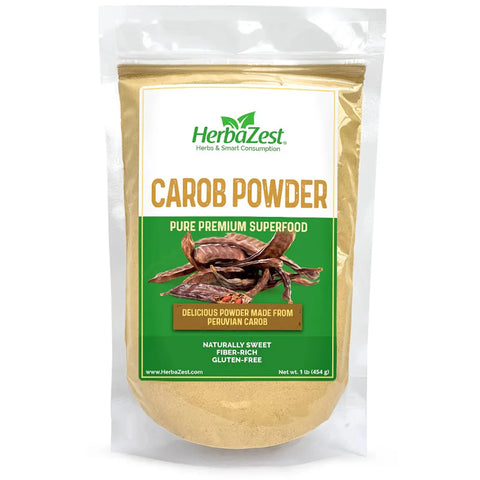
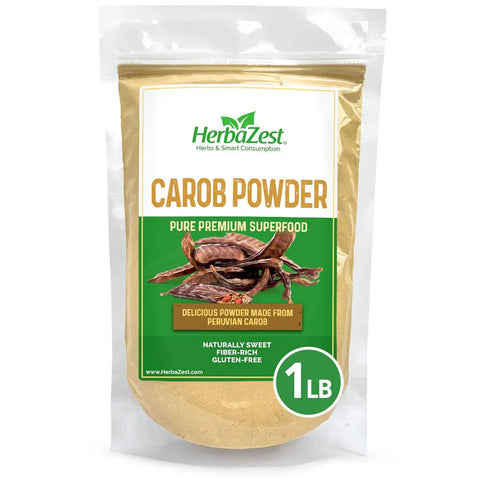
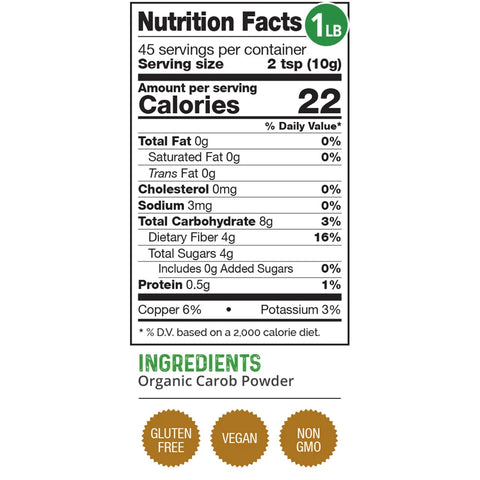
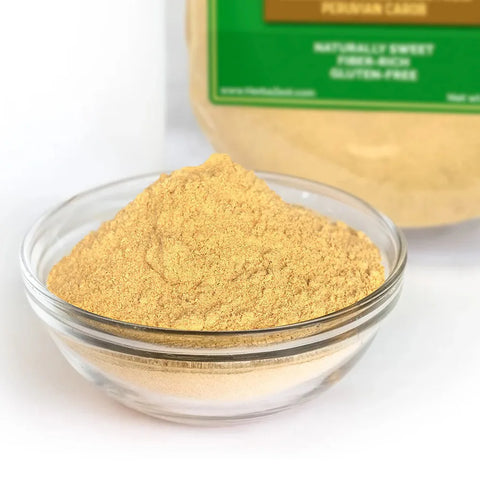
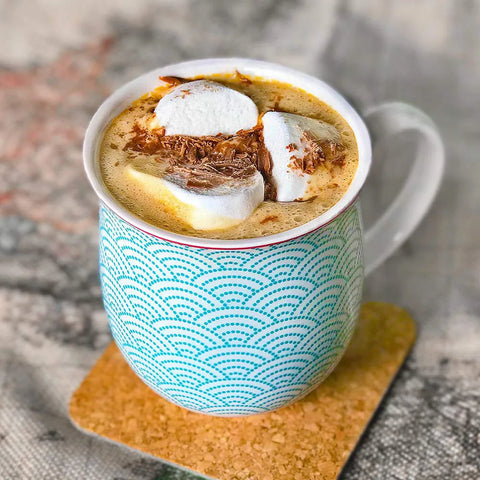
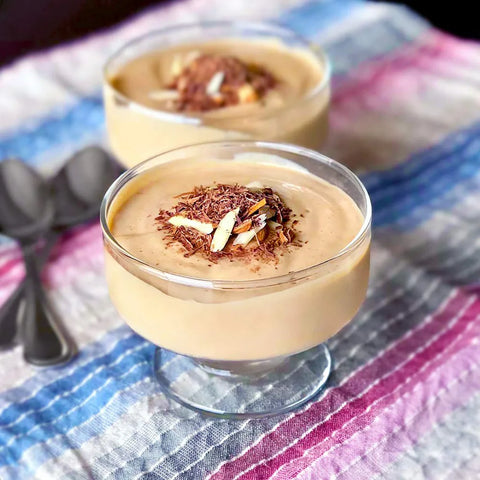
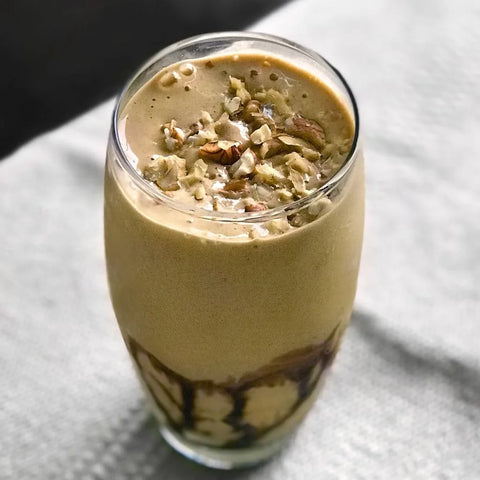
Algarrobo en Polvo
Tamaño
Precio normal
$14.99
La quinua cocida podría ofrecer beneficios metabólicos
Un estudio de 2026 sugiere que la quinua cocida puede favorecer niveles de glucosa más...

Ampliando tu selección de frutas: Sabores de todo el mundo
Descubre nuevas frutas de todo el mundo, sus sabores únicos, tradiciones culinarias y formas sencillas...