Treasured for its remarkably sweet leaves, stevia has been used in South America for more than 1,500 years and is now one of the world’s best-known natural alternatives to refined sugar.

Stevia
Stevia rebaudiana
South American Herb • Naturally Sweet • Zero Calories

Origen

Usos tradicionales

Tipo botánico

Historia y tradición

Nutrientes y compuestos

Versatilidad de las hierbas
Productos de Stevia HerbaZest


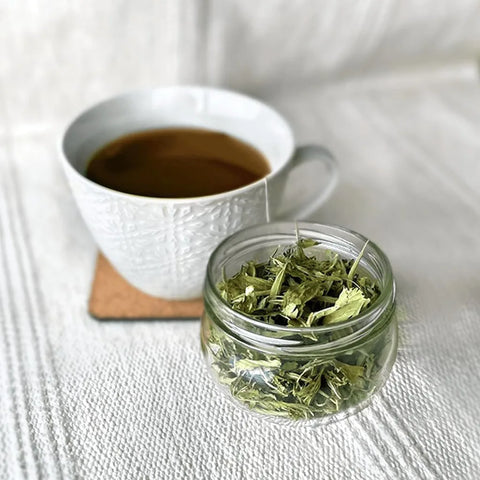
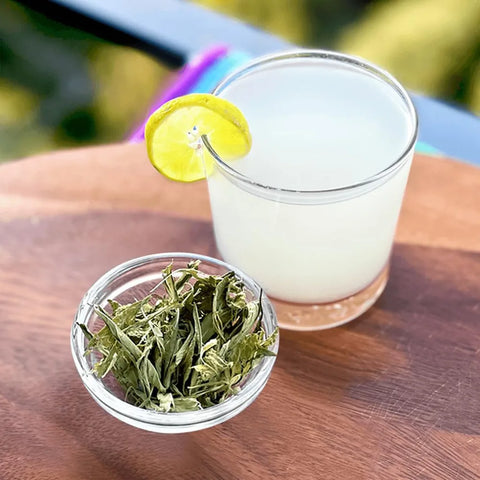
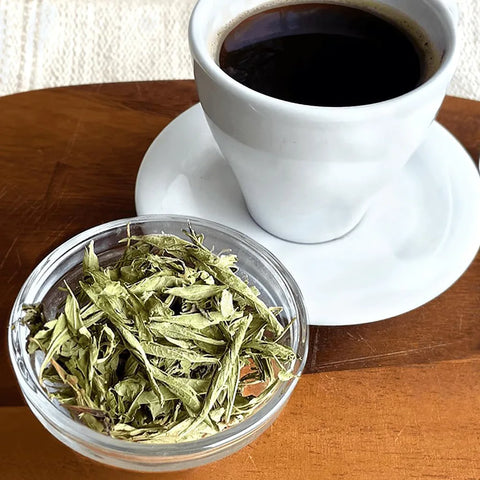
Hojas de Stevia
Tamaño
Precio normal
$19.99
La quinua cocida podría ofrecer beneficios metabólicos
Un estudio de 2026 sugiere que la quinua cocida puede favorecer niveles de glucosa más...

Ampliando tu selección de frutas: Sabores de todo el mundo
Descubre nuevas frutas de todo el mundo, sus sabores únicos, tradiciones culinarias y formas sencillas...